
Contributors: Ahmed Abushakeema, Alaa Satir, Amna Elhassan, Atong Atem, Ayat R. H. Ahmed,
Badri Ibrahim, Bokhari Hamid, Dar Al Naim, Elamin Gasim, Enas Ismail Hag Mohamed Eltayeb,
Enas Satir, Hazim Alhussain, Husam Kabri, Khalid Abdel Rahman, Locale, Malaz A. O. Mohamed,
Mawadda Kamil, Mazin Gamar, Mohmed Dardiri, Mohamed Alhajjay, Nadi Abunama-Elgadi, Ola
Hassanain, Omer Eltigani, Rayan El Amry, Reem Aljeally, Reem Khalaf, Reham Mohamed, Sahar
Abdalla, Dr. Salma Egail, Sara Amin, Sarra Ibrahm Saeed, Sammany Hajo, Suzi Mirghani, Tala
Gadir, Wael Al Sanosi, Waleed Mohammad, Yasir Faiz, Yasmeen Abdullah Ahmed, Yousif Elamin
Editors: Khalid Albaih, Larissa-Diana Fuhrmann, Suzi Mirghani
Coordinator: Zainab Gaafar
Publisher: Almas Art Foundation, London
Partner: Georgetown University in Qatar
Designer: Locale, Aala Sharif
Exhibition curators: Khalid Albaih, Larissa-Diana Fuhrmann, Rahiem Shadad
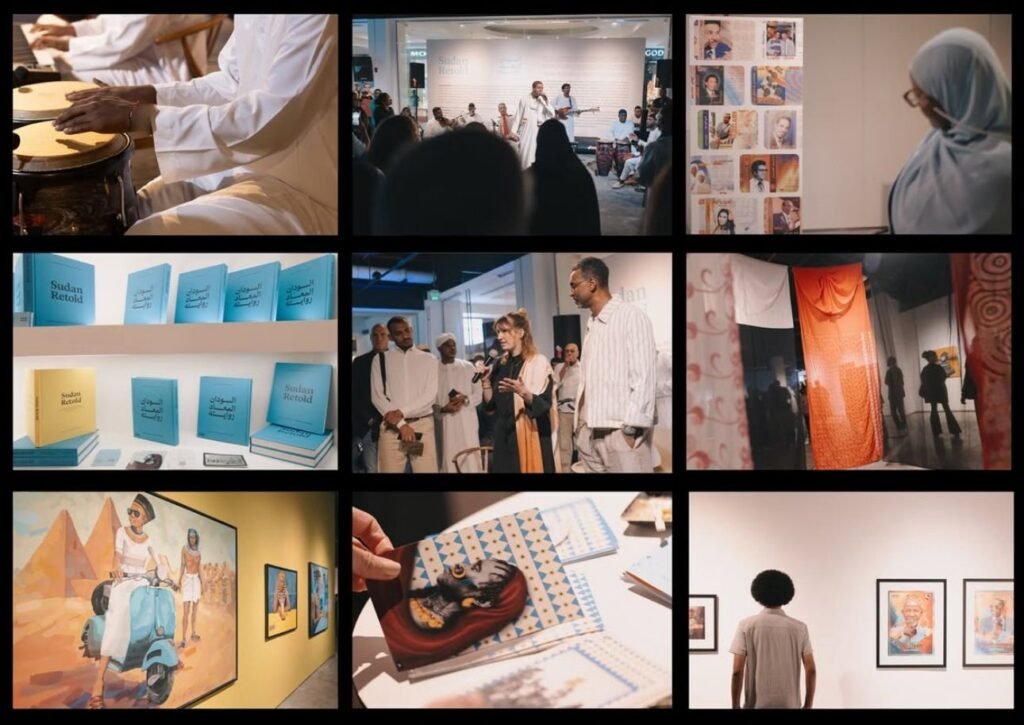
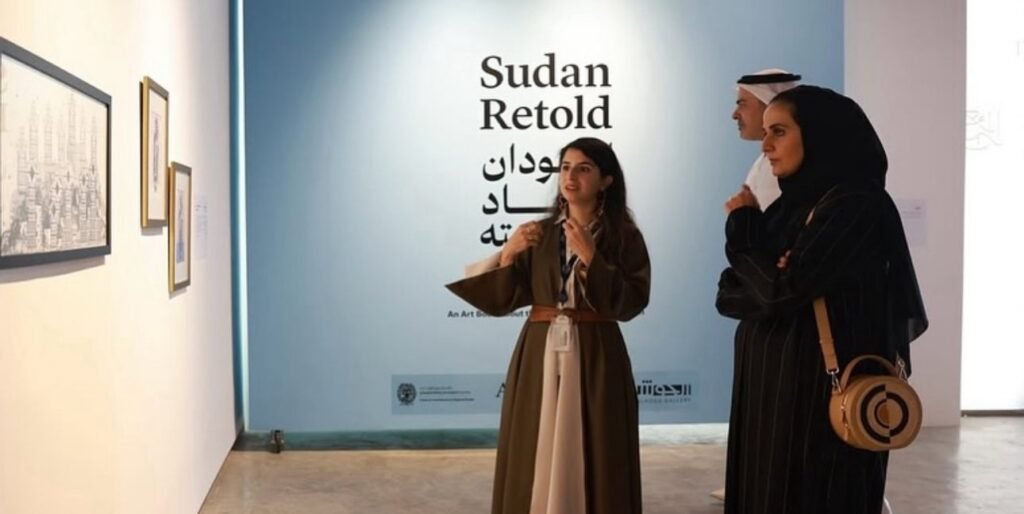
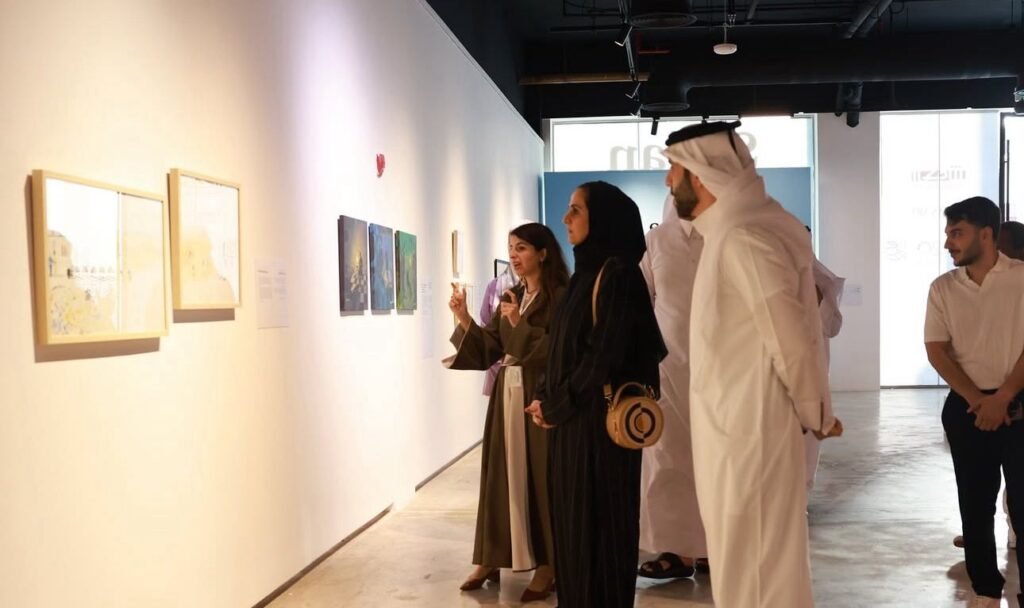
Sudan Retold Edition 11⁄2 is part of a long-term artistic project that began a decade
ago, bringing together artists, writers, curators, and cultural workers responding to a
Sudan shaped by many cultures, religions, languages, and histories—yet often
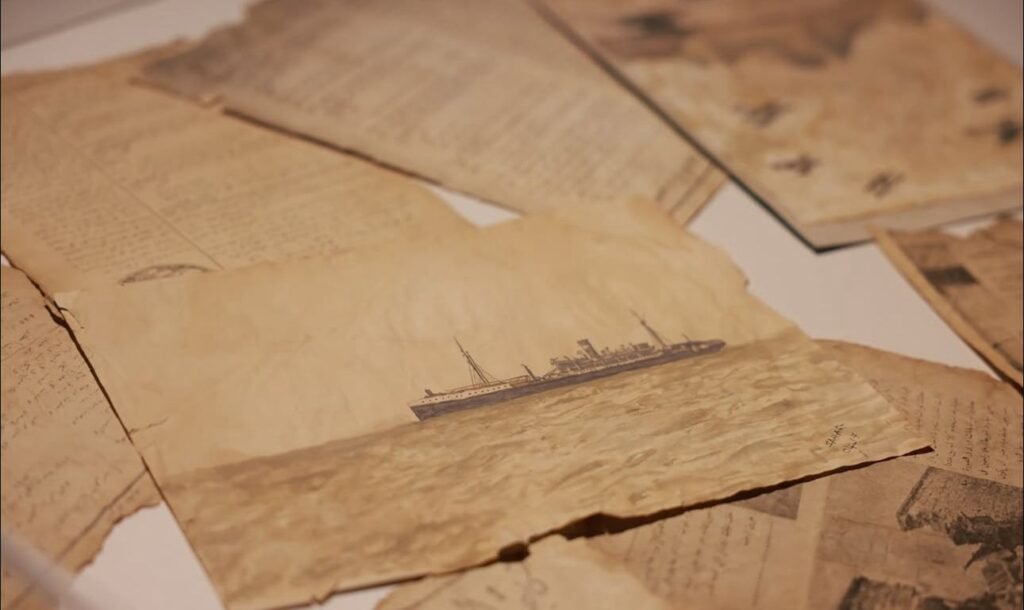
pushed into a single, linear narrative. Through fiction, personal memory, archival
fragments, and visual storytelling, the contributors reflect a country that has always
been more complex than the stories told about it. This second volume of the book
project was developed during a fragile transitional period—the revolution,
interrupted by renewed repression, the military coup, and continued across
geographies as the contributors were displaced by the ongoing and devastating war.
What began as an eort to tell Sudanese (his)stories dierently has become a way
of holding on to memory and place when both are under threat. This book, and the
exhibition that launches it, are not historical overviews. They are fragments, fictions,
testimonies, and visual narratives. They draw on personal archives, oral histories,
forgotten objects, and speculative figures—not to reconstruct a singular past, but to
open space for layered, plural understandings of Sudan.